

Master Agriculture & Ace Your Exams
Your ultimate destination for Licensure Examination mock tests, scientific farming guides, and expert crop protection strategies.
Explore Categories
Explore core farming principles and techniques.
Test your knowledge with LEA exam reviewers.
Soil chemistry, fertility, and conservation methods.
Livestock management, poultry, and animal care.
Practical tips for backyard and organic gardens.
Quick, interesting agricultural facts and trivia.
Congratulations to our LEA Passers!
These successful agriculturists used our Mock Tests to prepare for their exams. Will your face be here next?
















































Mock Tests
Swipe to practice for your upcoming exams.
Crop Science, TOS Based Reviewer (Classification of Crops, Botanical & Agricultural System)
Start Test →Crop Science, TOS Based Reviewer (Nature and Importance of Agriculture) For Upcoming...
Start Test →Crop Science Reviewer (Crop Production & Management) For PRC LEA Board Examination...
Start Test →PRC LEA Crop Science Reviewer, 50 Questions From Plant Physiology With Free...
Start Test →Soil Science Reviewer, 50 Questions From Soil Genesis, Classification, and Survey With...
Start Test →Soil Science Reviewer, 50 Questions From Soil Biology With Free PDF
Start Test →
Committed to Agricultural Excellence
Providing scientifically accurate farming guides, modern crop protection strategies, and highly reliable LEA mock reviewers to help the next generation of agriculturists succeed.
Read our full storyGardening Journeys

Rachana Upadhyay, Famous As “Patlu Ka Garden” Planted Over 1000 Plants
Read about how a love for greenery transformed into a healing sanctuary with over 1,000 thriving plants cultivated on a terrace and balcony.
Read Journey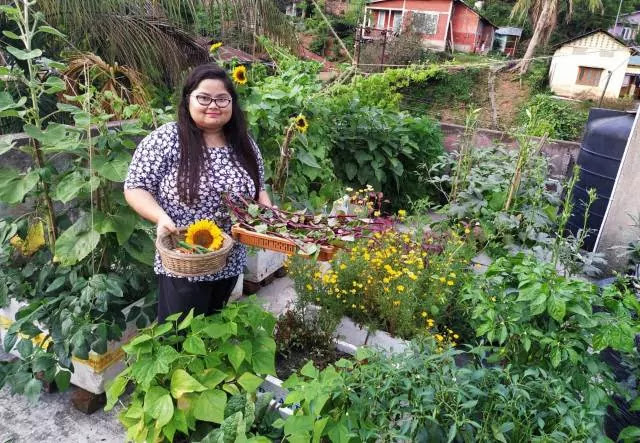
Suman Das From Assam Created Urban Jungle
Discover how an advocate converted a 400 square feet space into a lush urban jungle to grow food organically and live sustainably.
Read Journey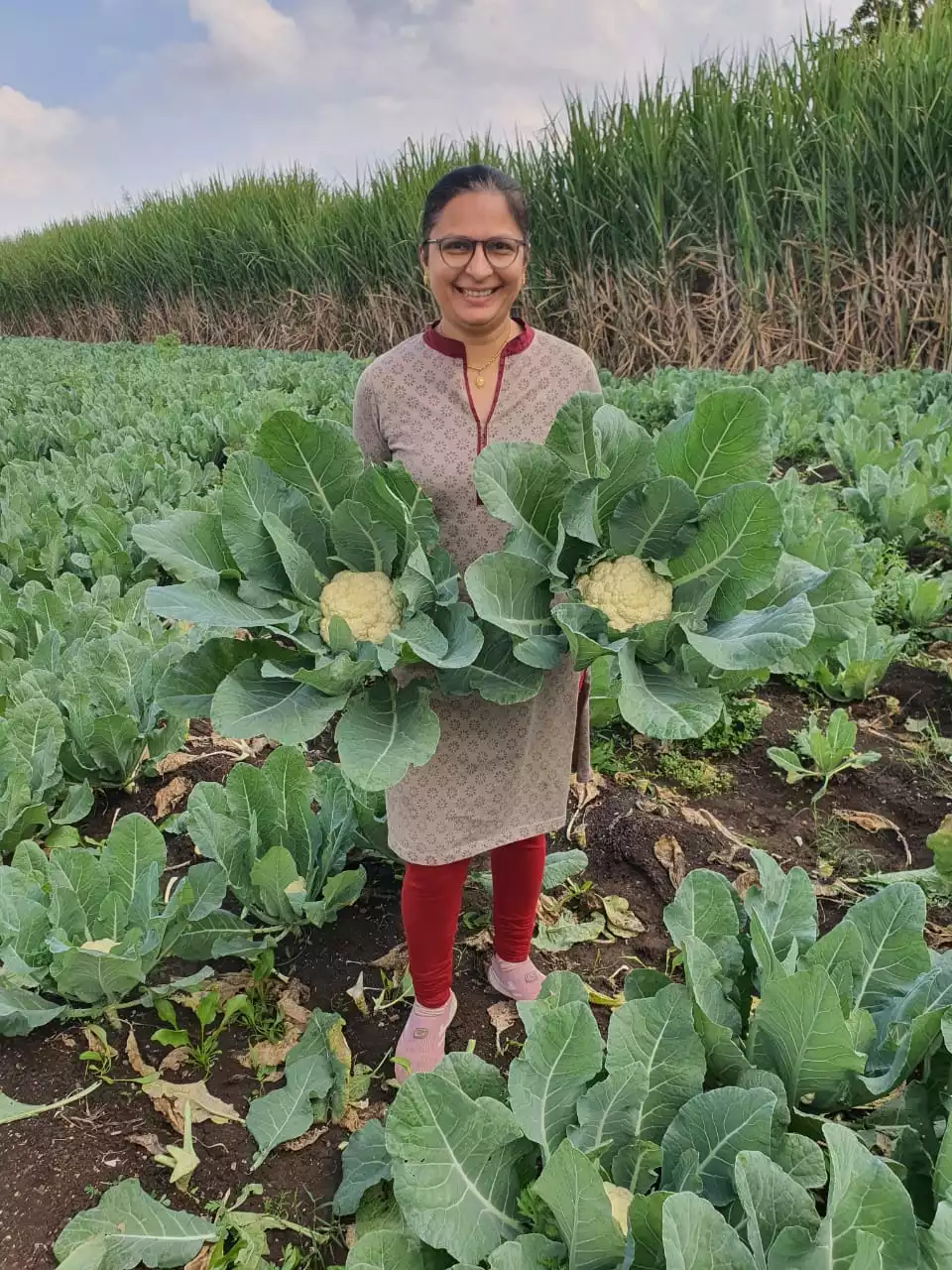
Reading Reena’s Gardening Story Can Awaken Gardener Inside!
Explore a beautiful journey of turning three balcony pots into an expansive collection of over 140 healthy plants through love and patience.
Read Journey




Frequently Asked Questions
Expert answers to your top gardening and farming questions.
When to repot string of pearls?
You can repot during the spring season. However, repotting this houseplant is not always necessary as it has a shallow root system. But if you are growing them in a small pot, then you can repot according to plant growth and root size.
Is Aloe Vera Farming Profitable?
Yes indeed, cultivation of Aloe Vera is profitable. According to an estimate, you can earn up to 2,00,000 Indian Rupees from an acre of Aloe farm.
Why my turtle vine leaves turning brown?
Underwatering or very less water can probably cause leaves to brown in this plant. Apply water around the base of the plant periodically to avoid browning of leaves. Additionally, keeping this plant under direct sunlight can lead to sun scorch.
Onion Peel Fertilizer is good for which plants?
You can use onion peel fertilizers during the flowering phase of any plant that flowers, but avoid adding this fertilizer during the vegetative growth phase. It is highly beneficial for fruiting and flowering plants such as Rose, Hibiscus, Marigold, Jasmine, and Bougainvillea.
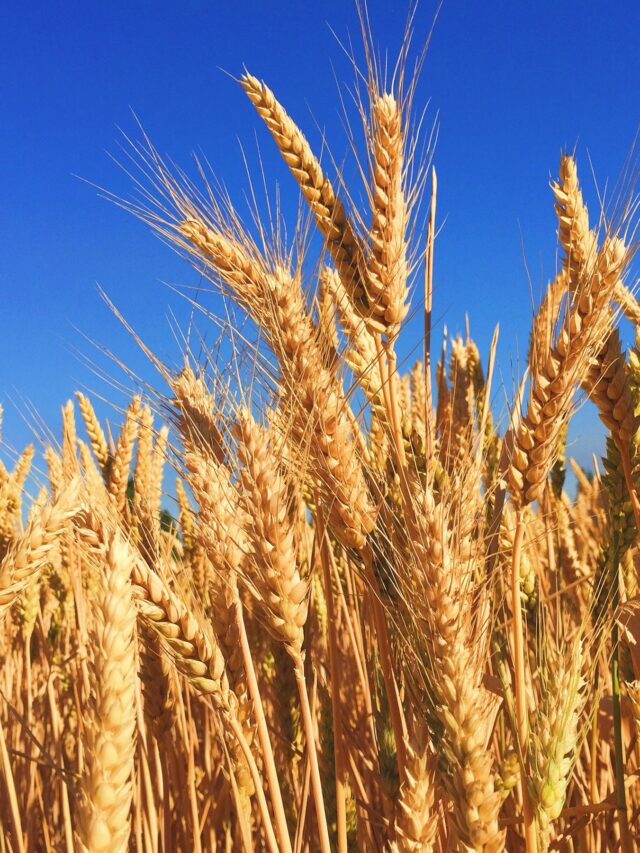
What type of soil is best for wheat farming?
Well-drained, fertile loamy and clay loam soils are best for wheat farming. The soil should have a good water-holding capacity and a neutral pH between 6.0 and 7.5 for optimal crop yield.