Dracaena marginata, commonly known as the Madagascar Dragon Tree, is a striking, low-maintenance houseplant belonging to the Asparagaceae family. Native to Madagascar, it typically grows up to 6 feet tall over time and is highly celebrated for its sculptural elegance. With its slender, upright gray stems topped by tufts of glossy, sword-shaped leaves edged in vibrant red, it brings a distinct architectural beauty to any indoor space.
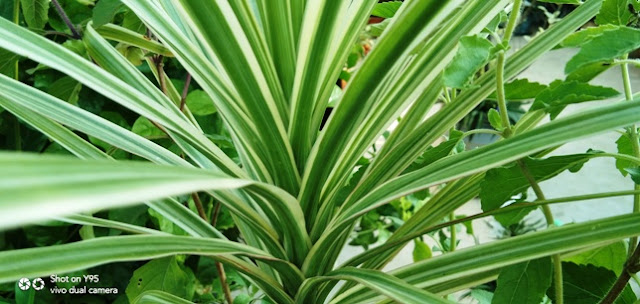
Table of Contents
Popular Varieties of the Dragon Tree
There are several beautiful cultivars of this plant, each offering a unique color palette to suit your indoor garden aesthetic. Some of the most popular varieties include:
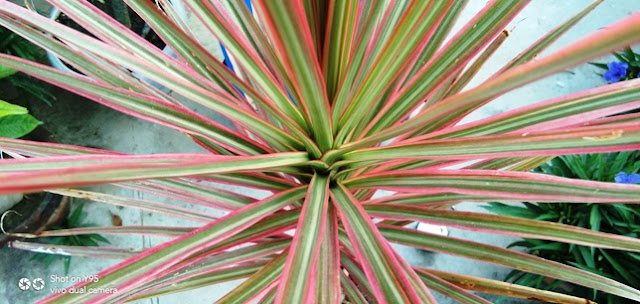
- Colorama: Known for its prominent, vibrant red and pink stripes.
- Tricolor: Features a beautiful blend of green, cream, and red bands.
- Tarzan: Distinctive for its slightly wider, tougher leaves and thicker stems.
- Bicolor: A minimalist variety displaying strict dual-tone striping.
- Magenta: Offers a deep, rich burgundy tint along the leaf edges.
How to Grow and Propagate
The best time to plant or propagate a Dragon tree is in early spring. You can easily expand your indoor garden by purchasing seedlings from a nursery or propagating existing plants using either head cuttings or stem cuttings.
Using Head Cuttings
To propagate via head cutting, take fresh shoot tips that are approximately 8 cm long and plant them in a 6-inch garden container. While not strictly necessary, using a rooting medium like IBA (Indole butyric acid) powder will significantly increase your success rate in developing roots.
Plant the cuttings in a well-draining potting mix—an ideal blend is 70% loamy soil, 20% sand, and 10% coco peat. Maintain moderate soil moisture until the seedling develops a strong root system. To boost humidity during this fragile stage, you can cover the base of the plant near the root zone with a plastic foil tent until it fully establishes.
Using Stem Cuttings
If you prefer stem cuttings, chop the main stem into sections that are 6 to 8 inches long, carefully noting which end is the top and which is the base. Wash the cuttings in a low-concentration fungicide, then place the base of each stem in a jar of fresh water.
Keep the jar in a dark room maintained at an optimal temperature of 22°C to 24°C, topping up the water regularly. Within 3 to 4 weeks, you will notice white nodules forming around the base, which will soon develop into long roots. Once the stem sections are well-rooted and you observe the first shoots developing on the stem, it is the perfect time to repot them into their permanent cultivation soil.
Plant Care & Maintenance
Once your Dragon tree is established, regular maintenance is incredibly straightforward. Follow these essential guidelines to keep your plant thriving year-round:
- Watering: Water the soil medium regularly until the seedlings are properly developed. During hot summer days or dry indoor heating periods, gently mist the leaves daily with fresh water to provide necessary humidity.
- Fertilizing: Feed the plants with one teaspoon of bone dust per month from March to October. As the plant reaches your desired height, scale back the fertilizer to slow its growth. It is not necessary to fertilize after November.
- Pruning & Cleaning: Prune the Dragon tree as needed to prevent it from growing irregularly in all directions. Routinely use a damp cotton cloth to wipe dust off the leaves, and promptly remove and destroy any fallen leaves from the pot.
- Repotting: Upgrade the pot size gradually as the plant grows to accommodate its expanding root system.
- Pest Control: Dragon trees are generally highly resilient to pests. If you notice an insect attack during the summer, simply spray the plant with a 5% Neem oil solution every 15 days. For a natural remedy, learn How to Make Neem Oil Spray for Plants.
⚠️ Toxicity Warning for Pets
If you have dogs or cats at home, exercise extreme caution. Dracaena plants contain saponins in their leaves and bark which are highly toxic to smaller animals if ingested. Symptoms of poisoning include anorexia, excessive salivation, depression, and vomiting (sometimes with blood).
Health and Environmental Benefits
Beyond its striking visual appeal, keeping a Dragon tree indoors provides measurable health benefits, contributing to a truly “Zen” environment and a healthier home:
- Air Purification: It is one of the most highly effective houseplants for filtering out carcinogenic elements like formaldehyde, benzene, and trichloroethylene from indoor air.
- Toxin Removal: By actively cleaning the air, it helps reduce the risk of chemical-linked health issues, such as headaches, respiratory problems, anemia, and kidney strain.
- Humidity Control: Studies from the Agriculture University of Norway show that utilizing houseplants like Dracaena naturally regulates indoor humidity, leading to decreased incidences of dry skin, dry coughs, sore throats, and colds.
- Mental Well-being: Tending to lush indoor foliage is scientifically linked to improved mood, increased self-esteem, and a greater overall sense of well-being.